Apocalypse
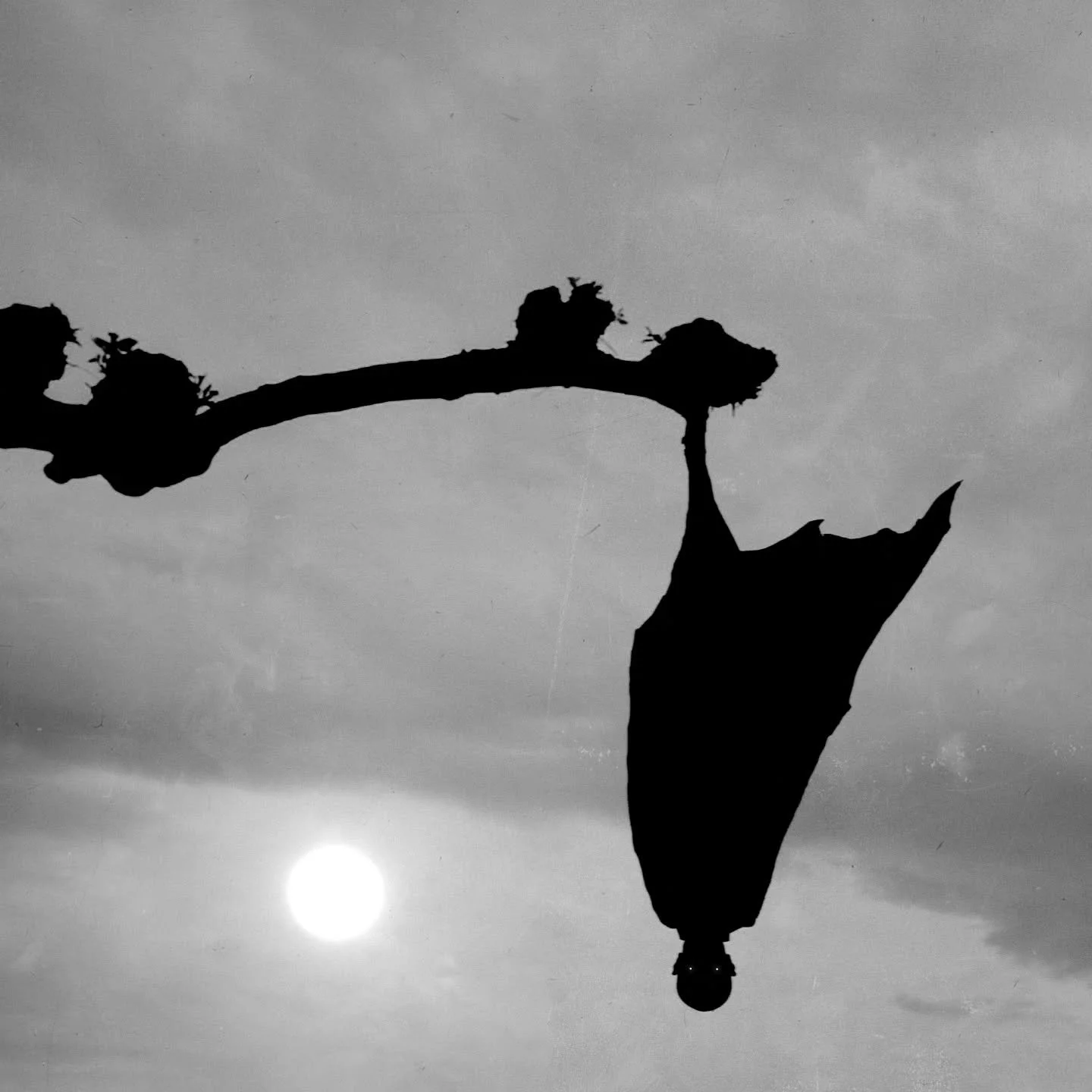
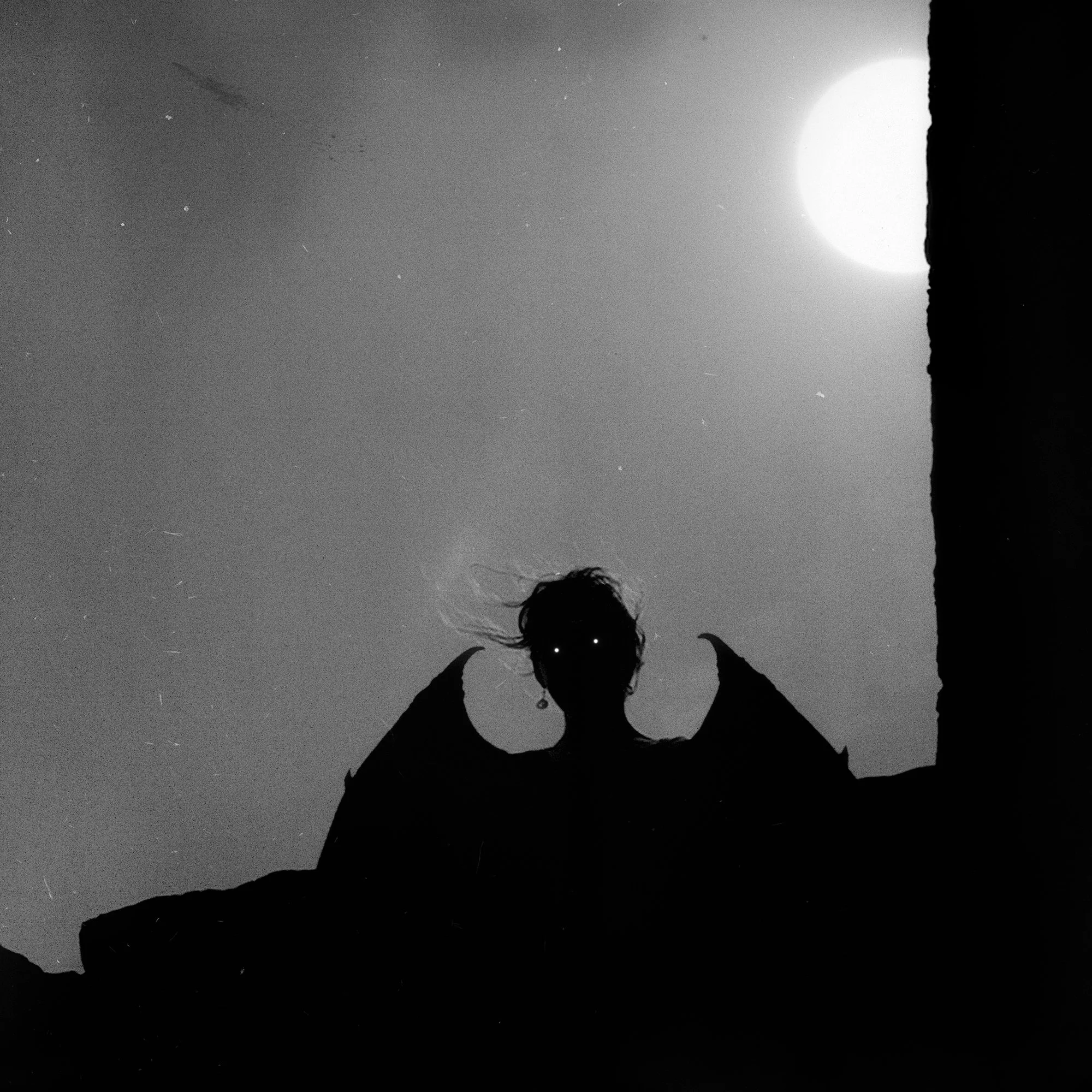
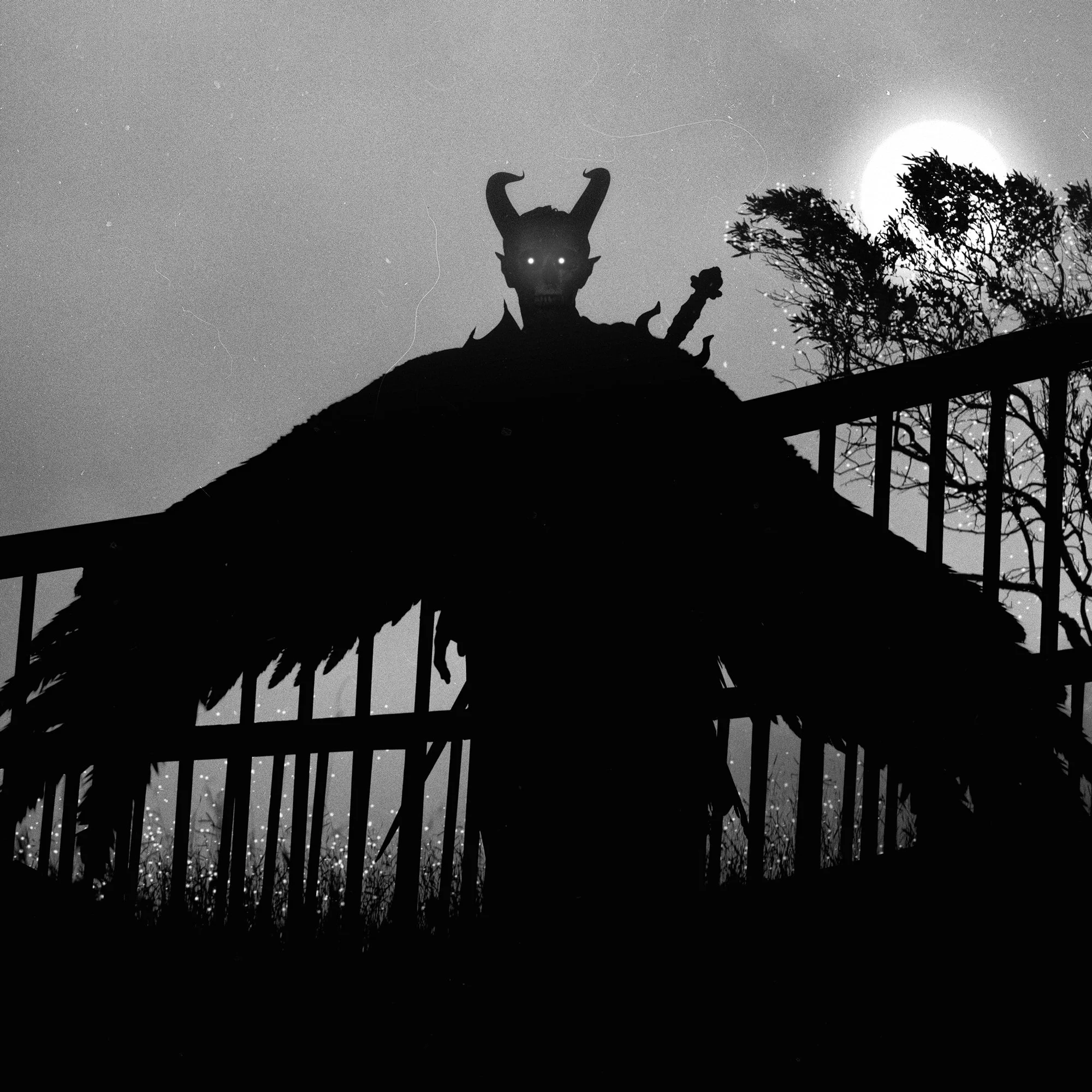
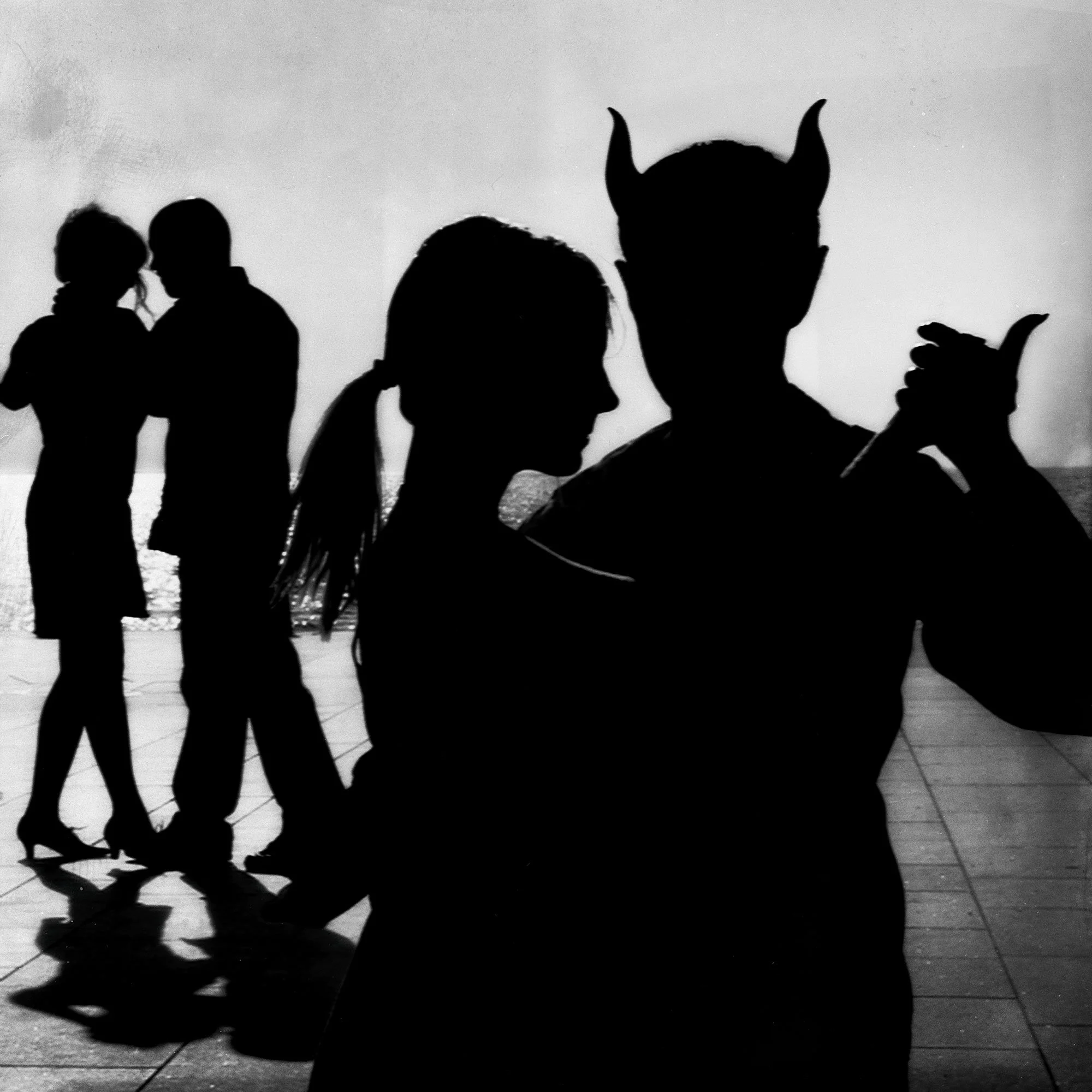
This series, which pays homage to the iconography of the demonic, is inspired by Shakespeare's famous line: "Hell is empty, and all the devils are here." No phrase since the dawn of the Renaissance has captured the spirit of our age with such piercing accuracy. The Greek word apokalyptein—meaning "to uncover, reveal, unveil," both literally and metaphorically—plays a fundamental role here. This revelation about the end of the world manifests itself through dreams or ecstasy, and although celestial beings maintain contact with the earth, they inhabit a separate dimension. Nevertheless, here you will find them playing violin concerts in alleys, waiting for the bus with an absent gaze, or dancing in the midday light.
The essence of evil lies not only in hellish abysses, but also in the crust of the ordinary. Demons are presented as allegories of the world, the flesh, and darkness. Paul's writings describe them as "elements of the world" and "perversion of the world," and clarify that these diabolical creatures cannot irreparably harm human beings, for they are a "new creation."
If hell exists, perhaps it is an empty theater. True demons do not need to dwell there: they swarm across our screens, lurk in the corners of the subway, multiply in the sweat of crowds. This series intertwines the demonic and the everyday, suggesting that the end is not an event to come, but a revelation that is torn apart every day: the constant stripping bare of our nature and of these times in which demons wear ties and walk among us. They do not dwell beneath our feet, but in our own bodies.